
Why we're gathering our community around live coals, our most beloved dish, and a cause that matters deeply to us.
📍: Tuesday, March 31, 2026 | 6:00 PM | Guelaguetza · 3014 W Olympic Blvd
There is a kind of cooking that doesn't need much explanation. You light the coals, you lay the tortilla flat, you watch it blister and curl at the edges, and the smell does the rest. That is what we'll be doing on Monday night. And we'll be doing it for a reason that feels just as elemental.
If you’ve been to Guelaguetza on a busy night, you’ve probably walked past the kitchen and caught a glimpse of our wood-fire grill—the one that sits at the center of so much of what we do. Tlayudas come off it in a particular way: the large corn tortilla, dried and crisped, catches the heat until it's rigid and smoky and completely its own thing. Then come the beans — black, slow-cooked, spread in a thin, almost velvet layer. Then the asiento, the unrefined pork fat that is probably the least-understood and most important ingredient on the whole plate. Then whatever you're building toward: cecina, tasajo, quesillo, mole, chicharrón. Or nothing. Because a tlayuda with just beans and cheese, still hot from the grill, doesn't need to justify itself to anyone.
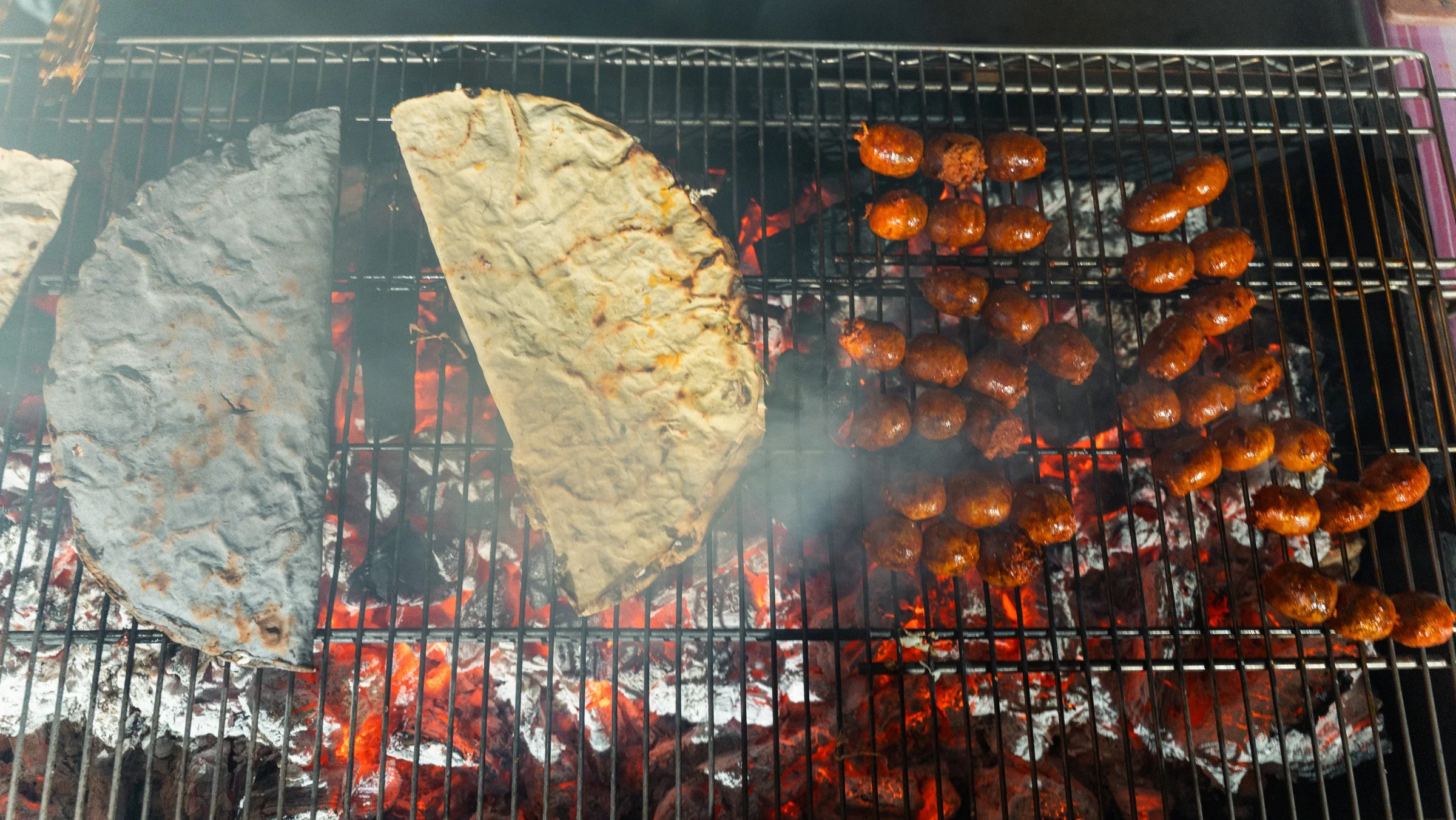
Tlayudas cooking over live charcoal at Guelaguetza. The dish is central to Oaxacan street food culture and has been on our menu since the restaurant opened in 1994.
Photo credit: Jeff Fierberg
We are cooking tlayudas over live fire on Monday night because it is the dish that makes the most sense for a night like this — generous, communal, built for a room full of people who want to eat well and feel connected to something. But also because we're raising money for Regarding Her, and I think the spirit of the tlayuda — open, layered, built from the ground up — matches what RE:Her is doing in the food world right now.
What Makes a Tlayuda
For those who haven't had one, or who have only had a bad version of one — which does happen, especially outside of Oaxaca — let me explain what we're actually talking about. A tlayuda starts as a large corn tortilla, larger than anything you'd find on a typical taco menu, somewhere between 12 and 16 inches across. It gets cooked on a comal until most of the moisture is driven out, leaving it semi-dry and sturdy. Then it goes over charcoal or open flame, where it develops color and smoke and that particular crispness that only fire gives you.
What goes on top is both fixed and deeply personal. The beans are non-negotiable — black beans from Oaxaca, cooked low and long, mashed to a smooth paste. The asiento is the fat and umami layer that ties everything together. Quesillo — the fresh, string-pull Oaxacan cheese that stretches when melted — is nearly universal. After that, the protein choices are where a tlayuda becomes yours: tasajo is a dried, salted beef that gets sliced thin and grilled quickly; cecina is pork prepared similarly; chorizo is loose and fatty and wonderful; mole negro turns the whole thing into something closer to a ceremony.
On Monday, we'll have all of it. Made fresh off the fire, coming out continuously throughout the evening, so what you're eating is never more than a few minutes from the grill.
““The tlayuda is Oaxaca. Not a version of it. Not an interpretation. The thing itself.””
We'll also have vegetarian and vegan preparations running all night — this is not a night where you have to explain yourself to your server. The beans are vegan. The quesillo can stand alone. And we'll have preparations built specifically for people who aren't eating meat, because the tlayuda has always had room for everyone.
About Regarding Her
I want to tell you about RE:Her, because if you're going to show up for something, you should know what you're showing up for.
Regarding Her — RE:Her — is a national nonprofit organization dedicated to accelerating the growth of women-owned businesses in the food and beverage industry. It was founded in 2020 by nine women restaurateurs, all based in Los Angeles, who found themselves on Zoom calls during the pandemic, talking about survival. What started as informal conversations about how to get through the hardest months the restaurant industry had ever seen became something much bigger: a structured, funded, growing organization that has since distributed over $350,000 in grants to women restaurateurs and built a membership community of more than 1,000 women across the country.
The founders include women whose names you know if you've been eating in Los Angeles for any length of time: Mary Sue Milliken, one of the most important chefs this city has produced; Dina Samson of Rossoblu; Lien Ta; Sylvie Gabriele; Kim Prince; Sandra Cordero; Heather Sperling; Brittney Valles. And also, this is our restaurant, so I'll say it plainly: I was one of the nine founders. RE:Her came out of a moment when the industry we'd all given our lives to was collapsing around us, and we decided to do something about it together rather than alone.
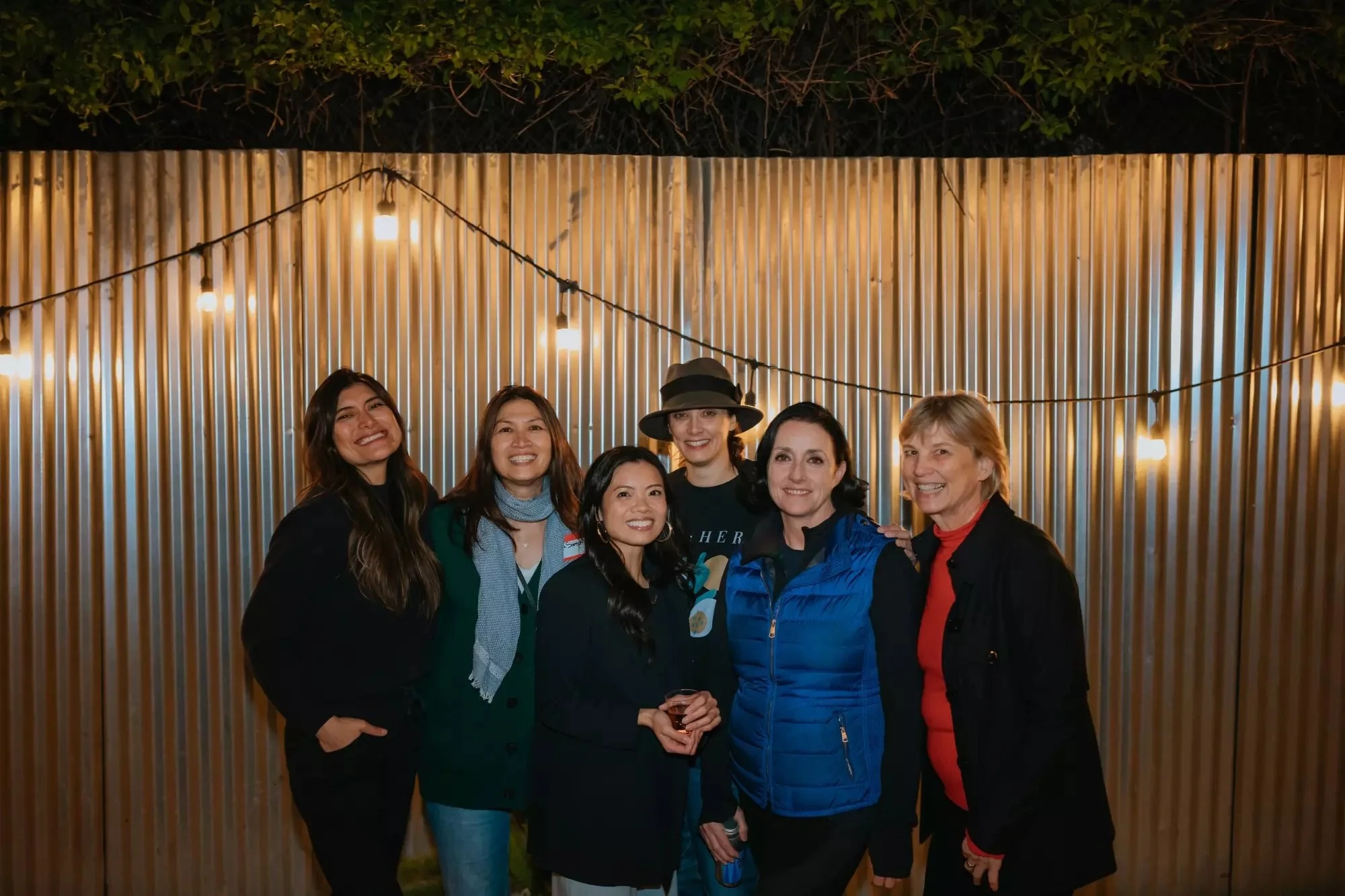
Regarding Her brings together women restaurateurs, food entrepreneurs, and beverage leaders across Los Angeles and Washington D.C. to build community and create lasting economic opportunity. (photo: LATIMES)
Why It Was Necessary
Here is a statistic that I think about more than I probably should: less than 7% of restaurant businesses in the United States are helmed by women. Less than 7%. The kitchen has always been a place where women work — we have always been in the kitchen, feeding people, sustaining families, keeping communities alive. But the ownership, the capital, the decision-making, the industry recognition? That has never been distributed equally. Not even close.
What RE:Her identified, from the beginning, was that this wasn't a problem of talent or ambition or work ethic. Women in food work harder than almost anyone in any industry. The problem was access — access to capital, to mentorship, to networks, to the kind of institutional support that helps a small business become a lasting one. The pandemic cracked the foundation of an industry that was already fragile for women, and RE:Her was built specifically to address that crack.
““We didn’t want to talk about the suffering of our industry. We wanted to create a way to celebrate our community instead.””
What RE:Her Actually Does
The work RE:Her does is concrete, not aspirational. Since 2021, the organization has distributed cash grants directly to women restaurateurs — over $350,000 to date, in amounts that can actually move the needle for an early-stage business. These are not symbolic grants. They go to women who are one broken walk-in cooler or one slow month away from a very difficult decision.
Beyond grants, RE:Her runs the Regarding Her Academy — a ten-week intensive business education program designed specifically for women in food and beverage who are in their first five years of business. The Academy combines group sessions with one-on-one coaching, covering the specific challenges that women-owned hospitality businesses face: access to financing, marketing without a big budget, building a team, navigating the legal and operational complexity that comes with growth. It is the kind of program that would have changed things for a lot of us if it had existed earlier.
The organization has also expanded beyond Los Angeles. RE:Her launched a Washington D.C. chapter in 2022, and the membership now spans both coasts. The vision is a national network — women supporting women in food, across every city where food culture matters, which is to say everywhere.
Why Guelaguetza and RE:Her Belong Together
My family's restaurant has been in this neighborhood for over thirty years. My parents started it as immigrants with family recipes and a belief that Oaxacan food deserved a seat at the table — not just in Mexico City or in upscale dining rooms, but here, in Koreatown, with the community we were part of. When my siblings and I took over the day-to-day operations, we inherited not just a restaurant but a philosophy: the table is for everyone, and the people who build it deserve to be seen.
RE:Her is built on the same idea. The women who run food businesses — the women who wake up at 4 AM to receive deliveries, who are on the phone with their linen service and their accountant and their landlord before most people have had their first cup of coffee, who feed their neighborhoods and anchor their blocks and keep the lights on in a building that a dozen other businesses depend on — those women deserve the same access to opportunity and capital and community that has always been available to other people in this industry. That is not a controversial position. It is just true.
Monday's dinner is one way of saying so.
What to Expect on March 31st
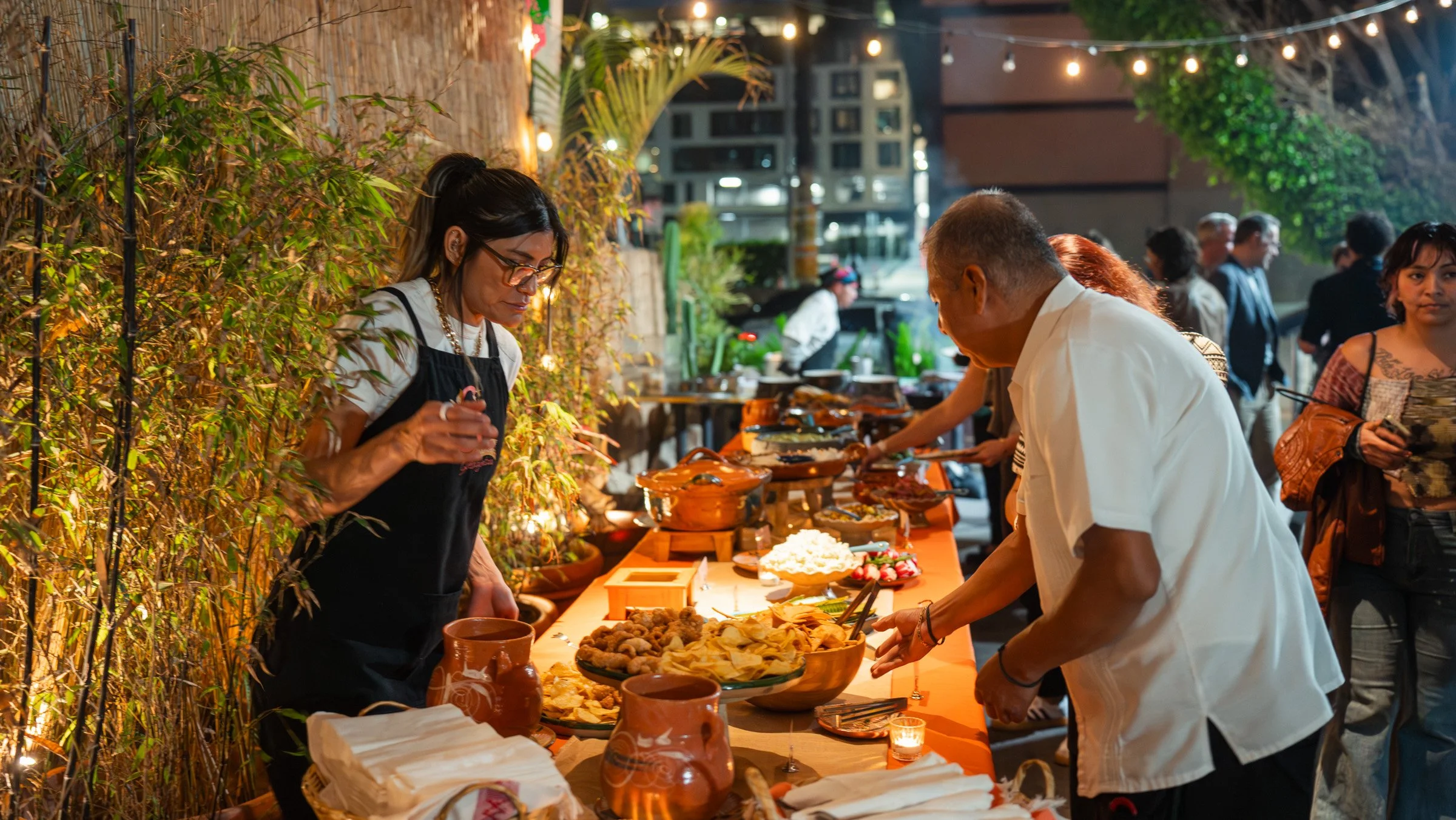
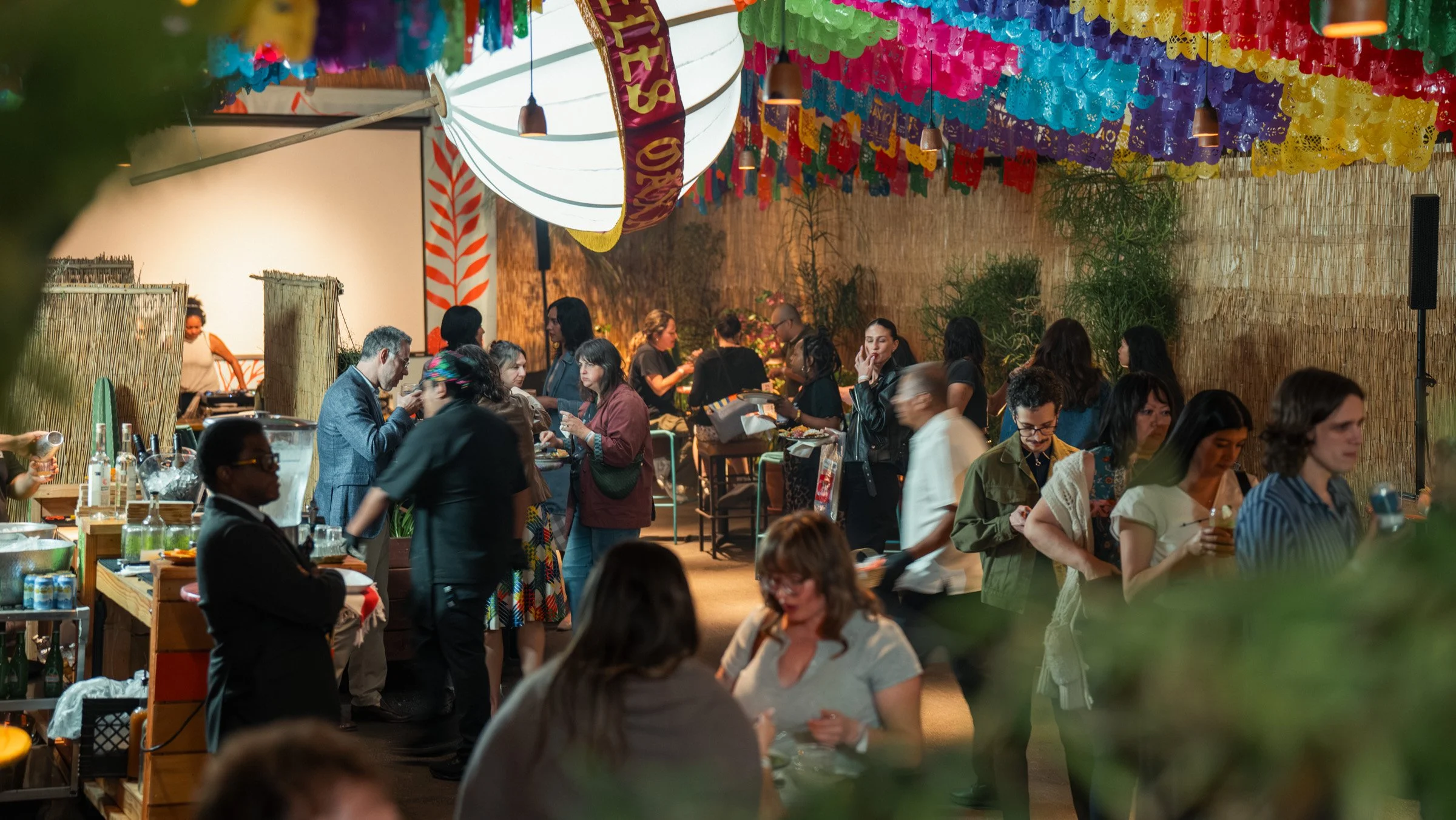
Doors open at 6 PM. Come hungry. We will be cooking tlayudas over live fire from the moment we open until the last guest leaves. The format is abundant and relaxed — this is not a tasting menu situation. You'll get a welcome cocktail when you arrive (or a non-alcoholic option, your call), and aguas frescas will run all night. Then you build your tlayudas the way you want them, in as many combinations as you feel like exploring.
The full spread of preparations will be available throughout: cecina, tasajo, chorizo, pollo, mole negro, chicharrón, quesillo. Vegetarian and vegan options at all times. The tortillas are coming off the comal fresh. This is the kind of night where you eat more than you planned to and you don't feel bad about it, because the food is honest and the company is good.
Music all night by Deb the DJ — who also happens to be one of the most important people in this neighborhood as the owner of Soban, the beloved Korean restaurant two blocks from us that we have been collaborating with and learning from for years. Having Deb on the ones and twos on a night like this feels exactly right.
Your ticket includes
All-you-can-eat tlayudas, made fresh over live fire throughout the evening
Full selection of preparations: cecina, tasajo, chorizo, pollo, mole negro, chicharrón, quesillo
Vegetarian and vegan options all night
Aguas frescas throughout the evening
Welcome cocktail (non-alcoholic option available)
Live music by Deb the DJ (Soban, Koreatown)
General Admission
The full live-fire tlayuda experience — all-you-can-eat with the complete spread, aguas frescas, and a welcome cocktail.
$45
Supporter Ticket + Asada Cookbook
Everything in General Admission, plus a personally signed copy of Asada: The Art of Mexican-Style Grilling — the perfect way to carry this night home with you.
$85
Seating is limited. This is a one-night event — we will not be doing it again the following week. If you've been meaning to come back to the restaurant, or if you've never been, Monday is a particularly good night to start.
We look forward to cooking for you. And we're grateful, genuinely, that this community shows up every time we ask — whether it's for a book, a festival, a collaboration, or a night like this one, where the whole point is to make sure that more women get the chance to build something lasting in food.
Come hungry. Leave having done something good.
— Bricia Lopez, Guelaguetza
Guelaguetza is a James Beard Award-winning Oaxacan restaurant located at 3014 W Olympic Blvd, Koreatown, Los Angeles. Open Tuesday through Sunday. Visit us at ilovemole.com.
Regarding Her (RE:Her) is a national nonprofit organization dedicated to accelerating the growth of women-owned businesses in the food and beverage industry. Learn more and become a member at regardingherfood.org.
Tickets for Tlayudas for Good are available exclusively through OpenTable. This is a prepaid, limited-seating event.